Our bodies are remarkably designed to sustain us for many years, functioning tirelessly to keep us alive and well. However, staying healthy is not a one-way process — while our bodies work for us, we must also work for them. One of the most important ways to do that is by paying attention to the signals our bodies send when something isn’t quite right. You might wonder, “How can my body communicate with me?” The truth is that the body speaks through a wide range of physical signs, many of which people tend to overlook.
When it comes to interpreting bodily signals, many individuals feel uncertain or doubtful. This skepticism often comes from the fact that symptoms can be vague, nonspecific, or easily attributed to everyday life. Yet, despite this ambiguity, we still have a responsibility to notice and respond when our bodies are trying to alert us to an issue. Doctors can absolutely help us figure out what’s wrong, but only after we take the initiative to recognize the symptoms and seek medical attention. Without identifying these warning signs, we have no reason to schedule that crucial appointment. For that reason, the indicators listed below should never be ignored — they may be your body’s way of asking for support.

Leg Cramps
Almost everyone has woken up at least once with a sharp, burning pain shooting through their leg. That sudden tightening is a cramp. One of the major causes of leg cramps is reduced blood flow, which happens when the arteries supplying the legs become narrowed. Another potential cause is compression of the nerves in the spine, which is especially common in people who walk or stand for long periods. While leg cramps are widespread, recurring ones may be a sign of something deeper happening internally.
Intense Food Cravings
Experiencing strong cravings for specific foods often means the body is missing important nutrients. For example, a deficiency in omega-3 fatty acids can make you crave cheese. Although small amounts of cheese can be healthy, eating too much can create other health concerns. Low blood sugar levels may also trigger cravings for sweets. One of the simplest and most effective ways to manage these urges is to improve your diet. This means cutting back on processed or packaged foods and choosing whole, nutrient-rich options instead.
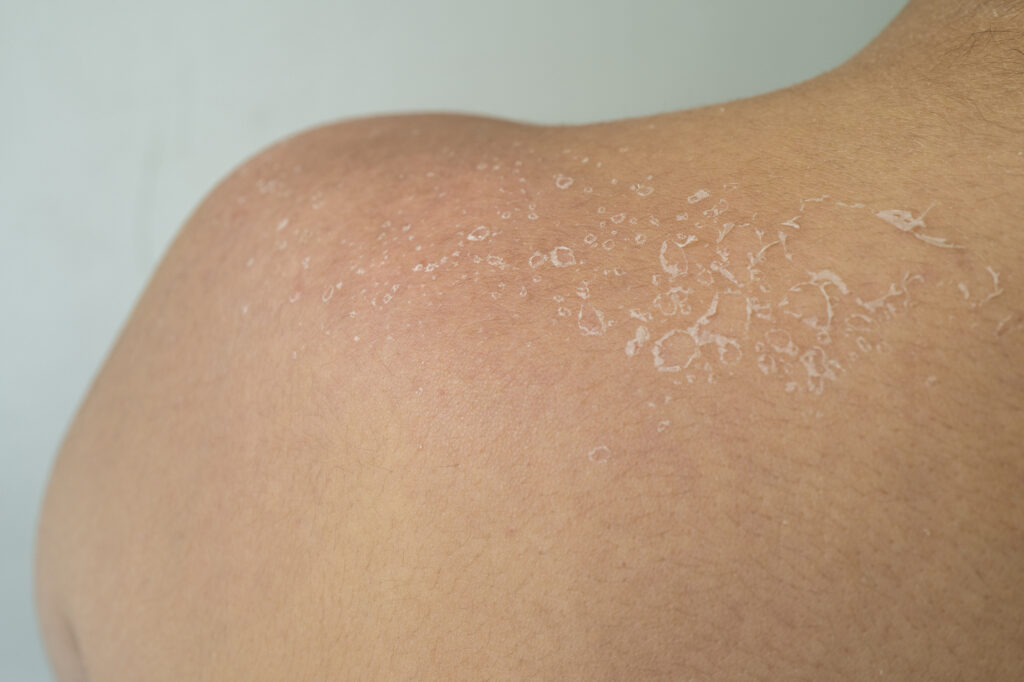
Persistent Dry Skin
Dry skin is extremely common, especially during cold seasons. However, when dryness becomes constant, it may point to an underlying issue. Long, hot baths or showers can strip natural oils from the skin. I personally love hot showers, but eventually noticed that my skin felt unusually dry afterward. Harsh soaps or cleaning products can also irritate skin depending on sensitivity levels. If your soap is the culprit, switching to natural alternatives may help. In addition, milder showers or incorporating more nuts and seeds into your diet can improve skin moisture.
Chronic Headaches
While many headaches go away simply by drinking more water, headaches that continue for long periods may indicate a more serious cause. Emotional strain, including anxiety and depression, can trigger persistent headaches. Poor sleeping habits can also lead to daily discomfort. If hydration doesn’t help, the cause may be stress-related or linked to lifestyle patterns that require attention.
Split Ends
This sign tends to bother women more than men. Split ends are frustrating and are commonly caused by frequent blow drying, straightening, or brushing too aggressively. Women who dye their hair regularly may also experience more split ends. From a nutritional perspective, the body may be lacking healthy fats. Including foods rich in beneficial oils, particularly seafood and quality plant oils, can help reduce breakage and support stronger hair.
Brittle Nails
Many women enjoy decorating their nails, but nail polish — and especially the chemicals used to remove it — can weaken nails over time. A poor diet can also cause nails to become brittle. The best approach is to increase your intake of essential vitamins and minerals to keep nails strong and healthy.
Bad Breath
If people step back when you speak, your breath may be the reason. Strong-smelling foods require good oral hygiene afterward, because leftover food particles can decay and cause unpleasant odors. Another cause is dry mouth. Since saliva helps clear away odor-causing debris, insufficient saliva production can result in bad breath.
Bloating
Bloating is uncomfortable and often comes with sluggishness, fatigue, and gas. Eating too quickly is a common cause, and slowing down can bring quick relief. Diets high in fatty foods also contribute to bloating because fats digest more slowly than proteins or carbohydrates. Low stomach acid can prevent proper digestion, leading to acid reflux and excess gas as well.